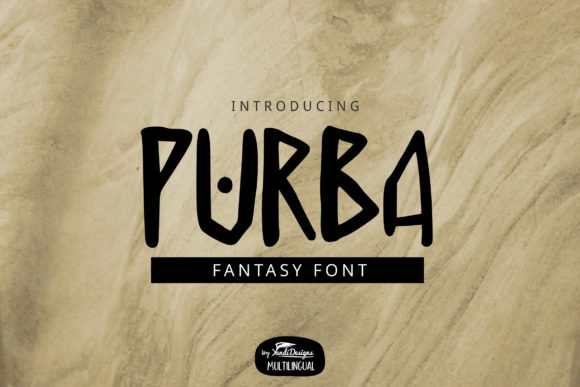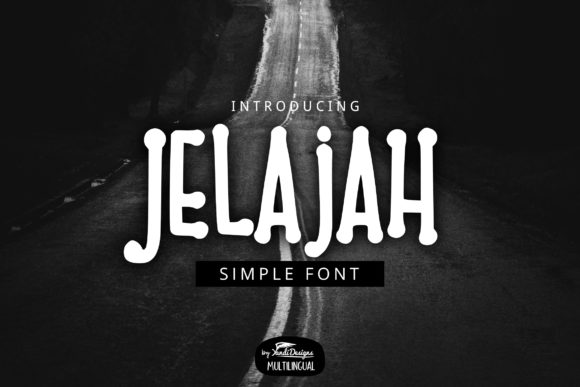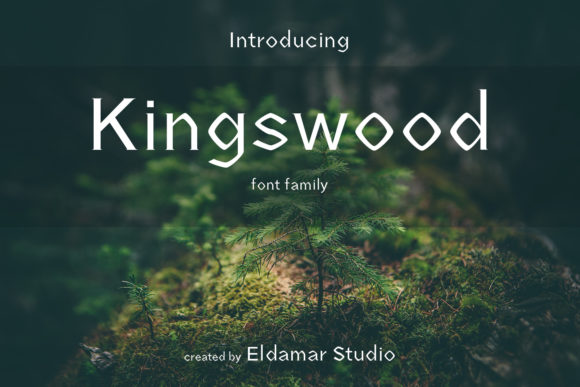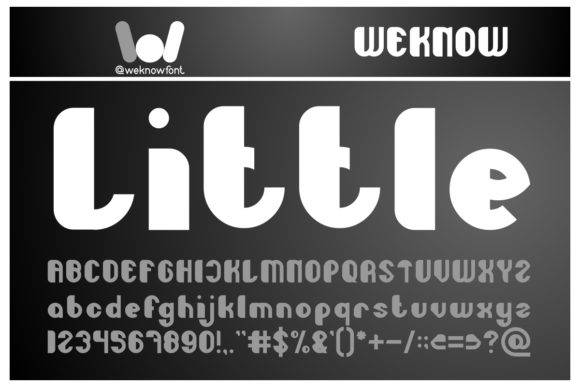
Amal: A Unique, Geometrically Shaped Display Font
In the ever-evolving world of typography, fonts are more than just tools for communication—they are artistic expressions that shape how we perceive information. One such font that has captured the attention of designers and creatives alike is Amal. This unique, geometrically shaped display font offers a fresh perspective on visual storytelling and design. Whether you're a graphic designer, a content creator, or simply someone who appreciates the beauty of typography, Amal can elevate your creative projects in unexpected ways.
What Is Amal?
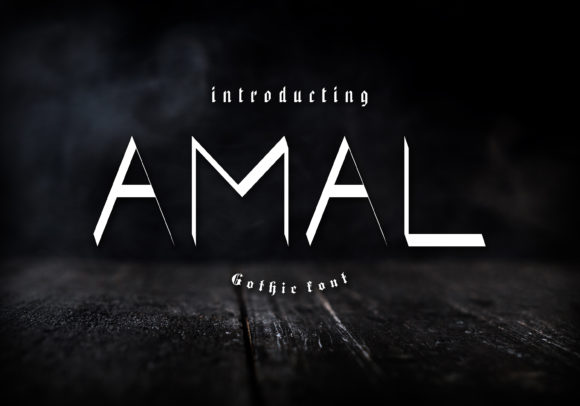
Amal is a modern display font known for its bold, geometric structure and clean lines. Unlike traditional serif or sans-serif fonts, Amal stands out with its angular forms and dynamic shapes, making it ideal for use in headlines, logos, and other eye-catching design elements. Its design is both contemporary and versatile, allowing it to adapt to various contexts without losing its distinctive character.
The name "Amal" is derived from the Arabic word meaning "hope," which reflects the font's ability to inspire and captivate audiences through its visual appeal. This font is not just about aesthetics; it's about creating an emotional connection between the viewer and the message being conveyed.
The Significance of Typography in Design
Typography plays a crucial role in how we communicate visually. The right font can make a design feel professional, playful, or even rebellious. In today's digital age, where first impressions matter more than ever, choosing the correct typeface can be the difference between a successful project and one that gets overlooked.
Fonts like Amal are particularly valuable in branding, advertising, and web design. They help create a strong visual identity that resonates with the target audience. For instance, a startup looking to convey innovation and confidence might choose a geometric font like Amal to reflect their forward-thinking approach.
Why Choose a Display Font?
- Visual Impact: Display fonts like Amal are designed to grab attention and stand out in a crowd.
- Emotional Expression: The sharp angles and bold strokes of Amal can evoke feelings of energy, strength, and modernity.
- Flexibility: These fonts can be used across different mediums—print, digital, and social media—to maintain brand consistency.
- Creativity: They encourage experimentation and allow designers to push boundaries in their work.
How to Use Amal in Your Creative Projects
Amal is best suited for use in headlines, titles, and short phrases rather than long body text. Its geometric nature makes it ideal for creating striking visuals in posters, brochures, and website headers. Here are some practical applications:
1. Branding and Logo Design
A strong brand identity often starts with a memorable logo. Amal’s unique shape and boldness can help create a logo that is both eye-catching and easy to recognize. It’s especially effective for tech startups, fashion brands, and creative agencies looking to make a statement.
2. Social Media Content
Social media platforms thrive on visual content, and Amal can help your posts stand out. Use it for captions, call-to-action buttons, or even as part of a custom graphic. The font’s modern look aligns well with current design trends, making it a great choice for influencers and content creators.
3. Web Design and User Interfaces
While Amal may not be the most readable font for long-form content, it works beautifully in UI design. Consider using it for navigation menus, buttons, or promotional banners. Its geometric style adds a touch of sophistication and uniqueness to any website.
Understanding the Basics of Typography
For those new to typography, it's important to understand the basics of font classification and how they affect design. Fonts are generally categorized into several types, including serif, sans-serif, script, and display fonts. Each category serves a different purpose and conveys a distinct tone.
Display fonts, like Amal, are specifically designed to be used in headlines and titles. They are often more stylized and less readable than standard fonts, but this is precisely what makes them so powerful in the right context. Understanding when and how to use them can significantly enhance the effectiveness of your designs.
Common Misconceptions About Display Fonts
There are several misconceptions surrounding display fonts that can lead to improper usage. One common belief is that display fonts are only suitable for certain industries or audiences. In reality, they can be adapted to fit a wide range of applications, from formal invitations to casual social media posts.
Another misconception is that display fonts are difficult to use. While they may require more careful consideration in terms of spacing and readability, they are not inherently complex. With the right tools and knowledge, anyone can incorporate display fonts like Amal into their design workflow effectively.
Where to Find and Use Amal
If you're interested in using Amal, you can find it on popular font websites such as Google Fonts, Fontsquirrel, and MyFonts. These platforms offer a variety of options for downloading and integrating the font into your projects.
When using Amal, it's important to follow proper licensing guidelines to ensure compliance with the font's terms of use. Always check the specific license details provided by the font provider before using it in commercial or public-facing projects.
Conclusion: Embracing Creativity Through Typography
Typography is more than just arranging letters—it's a form of visual language that can convey emotion, tell stories, and connect people. Fonts like Amal offer a unique way to express creativity and stand out in a crowded digital landscape.
Whether you're designing a logo, crafting a social media post, or building a website, incorporating a font like Amal can add a layer of personality and professionalism to your work. By understanding the purpose and significance of typography, you can unlock new possibilities for your creative ideas and bring them to life in a way that truly resonates with your audience.