Little Ant: A Versatile Display Font for Creative and Practical Use
When it comes to typography, the right font can make all the difference. Little Ant is a display font that stands out with its unique, playful design. It’s not just another pretty typeface—it’s a tool that brings personality and charm to a variety of projects. Whether you're crafting a letterhead, designing a poster, or creating stationery, Little Ant offers a fresh and eye-catching alternative to more traditional fonts.
What Is Little Ant?
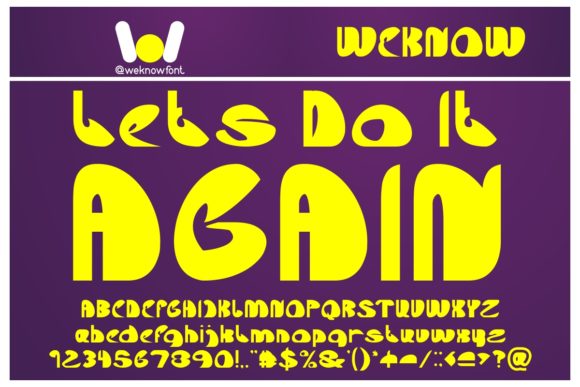
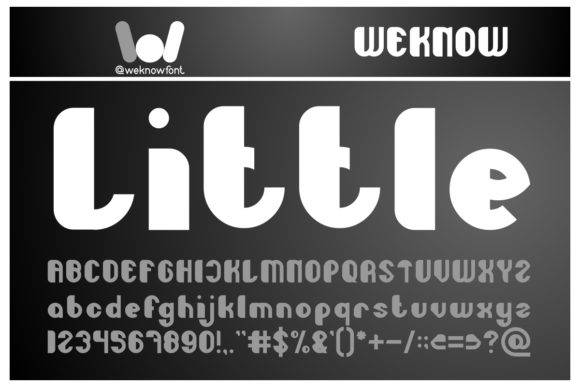
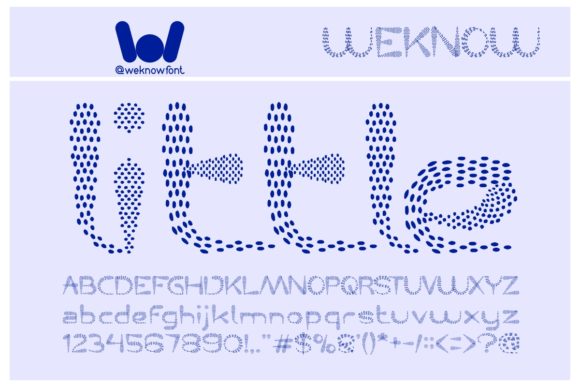
Little Ant is an original display font designed with a whimsical, almost cartoonish aesthetic. Its characters are rounded, slightly stylized, and feature a sense of movement that makes them feel alive. The font's name is a nod to its playful nature, and its design is intentionally approachable, making it ideal for both personal and professional use.
Unlike many display fonts that are meant for short-term use—like headlines or logos—Little Ant has enough character and structure to work in longer text scenarios. This versatility is what sets it apart from other similar typefaces.
Real-World Applications of Little Ant
One of the most compelling aspects of Little Ant is how well it adapts to different contexts. Here are a few real-world situations where this font shines:
- Letterheads and Business Cards: Little Ant adds a touch of creativity to otherwise formal documents. It’s especially effective when used sparingly, such as on the header or footer of a letterhead.
- Stationery and Invitations: If you're planning a wedding, birthday, or any event, Little Ant can elevate your invitations and thank-you notes with a charming, hand-drawn feel.
- Branding and Logo Design: For small businesses or creative studios, Little Ant can serve as a signature font that reflects a playful, modern brand identity.
- Marketing Materials: Posters, flyers, and social media graphics benefit from the visual interest that Little Ant provides. It can draw attention without overwhelming the viewer.
- Personal Projects: From journaling to scrapbooking, Little Ant adds a personal touch to creative endeavors. It’s perfect for those who want their work to stand out.
Each of these applications shows how Little Ant can be tailored to suit different needs. Its playful yet readable style makes it suitable for both digital and print formats, which is a major advantage for designers and content creators.
Who Benefits from Using Little Ant?
The appeal of Little Ant lies in its broad applicability. While it might seem like a font for children or casual use, it actually works well across a range of audiences and industries:
- Small Businesses: Entrepreneurs looking to create a memorable brand identity can use Little Ant to differentiate themselves in a competitive market.
- Freelancers and Designers: Those working in graphic design, web development, or marketing will find value in having a versatile font that can adapt to various project types.
- Event Planners and Organizers: Whether it's a birthday party, corporate event, or community gathering, Little Ant can help create visually engaging materials that resonate with attendees.
- Creative Individuals: Writers, artists, and hobbyists can use Little Ant to add personality to their work, whether it's a handmade book or a digital newsletter.
- Parents and Educators: For educational materials or children's projects, Little Ant can be a fun and engaging way to present information in a way that appeals to younger audiences.
These examples illustrate how Little Ant isn't limited to one niche. Instead, it's a font that can be adapted to fit a wide array of creative and practical purposes.
Considerations Before Using Little Ant
While Little Ant has many strengths, it's important to consider its limitations before using it in your projects:
- Readability in Small Sizes: As a display font, Little Ant may not be the best choice for body text. It looks best at larger sizes where its distinctive features can be clearly seen.
- Compatibility with Digital Platforms: Although most modern platforms support a wide range of fonts, it's always a good idea to check compatibility, especially if you're using Little Ant in a specific application or website builder.
- Typographic Balance: When using Little Ant alongside other fonts, it's important to maintain a balance. Too much of it can overwhelm the reader, so it's best used in moderation.
- Font Licensing: Always ensure you have the proper license for commercial use, especially if you're planning to use Little Ant in a product or service that generates revenue.
By keeping these considerations in mind, you can make the most of Little Ant while avoiding potential pitfalls.
Why Choose Little Ant Over Other Fonts?
In a world filled with countless fonts, choosing the right one can be overwhelming. Little Ant stands out because it offers a unique combination of playfulness and readability. It’s not just about aesthetics—it’s about functionality and adaptability.
Its rounded shapes and soft curves give it a friendly, approachable look that feels inviting. At the same time, its structure ensures that it remains legible even when used in larger formats. This balance between style and usability is what makes Little Ant a standout choice for a variety of projects.
Whether you're looking to create a memorable brand identity, design eye-catching marketing materials, or simply add a touch of creativity to your personal projects, Little Ant has something to offer. It’s a font that speaks to both the heart and the eye, making it a valuable addition to any designer’s toolkit.